
EDC experts will spotlight successful approaches to transforming suicide prevention and care at the 59th Annual American Association of Suicidology Conference on May 17 to 22 in St. Louis, Missouri.
Propelling Progress in Preventing Suicide and Achieving Safer Suicide Care at AAS
The Zero Suicide Institute at EDC team will be presenting at six AAS sessions.
We're joined at AAS by EDC colleagues who will present on Multi-Tiered Suicide Prevention (MTSP) for Schools as well as The Action Alliance's Hope Counts, an initiative designed to advance knowledge of the impact of suicide prevention efforts.
Look for our EDC Solutions team at Booth #19 in the exhibit hall to learn about our Community-Led Suicide Prevention, Zero Suicide Institute, and MTSP work.
Follow the links below to speak with our experts before, during, or after AAS:
Sessions
Explore all of our panels and sessions below.
- 15 Years of Zero Suicide: Looking Back, Looking Forward
Tuesday, May 19 11:30–12:30 CT, Room 240—Conference Center
Presenters: Julie Goldstein Grumet, PhD (EDC Vice President and Director of the Zero Suicide Institute at EDC); Mike Hogan, PhD (CEO, Hogan Health Solutions); Virna Little, PsyD, LCSW (Co-founder, Concert Health); Karen Johnson, MSW (Senior Vice President of Clinical Services and Chief Clinical Officer for the Behavioral Health Division, Universal Health Services)
Presenters will discuss why Zero Suicide remains the gold standard for healthcare, the spread of Zero Suicide across healthcare, what is missing to make effective suicide care attainable, and the vision for the next 15 years of Zero Suicide.
- Unpacking the Unknowns: A Framework for Evaluating Suicide Prevention in the U.S.
Tuesday, May 19 1:30–2:30 CT, Room 231—Conference Center
Presenters: Colleen Carr, MPH (Director, National Action Alliance for Suicide Prevention at EDC); Victor R. Armstrong, MSW (Vice President, American Foundation for Suicide Prevention); Deb Stone, ScD, MSW, MPH (Senior Director for Knowledge & Review, The Jed Foundation); and Richard McKeon, PhD (Senior Advisor, SAMHSA 988 Office)
Presenters will share key actions to build an effective, whole-of-society approach to evaluating progress in preventing suicide in the U.S. and share Hope Counts, an initiative designed to advance knowledge of the impact of suicide prevention efforts.
- Clinical Innovation for Suicide Prevention in Systems of Care: What’s Working for Whom
Tuesday, May 19 1:30–2:30 CT, Room 240—Conference Center
Presenters: Julie Goldstein Grumet, PhD; John Draper, PhD (President of Research, Development, and Government Solutions, Behavioral Health Link); Sarah A. Donovan, PsyD (Co-founder, SafeSide Prevention); Jennifer Lockman, PhD (Director of the Suicide Prevention and Recovery in Healthcare Initiative, University of Alabama at Birmingham)
Presenters will explore how Zero Suicide innovators are expanding Zero Suicide’s core principles to better engage both the workforce and people in care. This session asks: how do we deliver the right suicide prevention care, for the right people, at the right time—moving us closer to zero?
- Bridging Systems and Stories: Lived Experience in the Zero Suicide Movement
Tuesday, May 19 4:00–5:00 CT, Room 230—Conference Center
Presenters: Jan Ulrich, BS (Senior Project Associate II, Zero Suicide Institute at EDC); Laurin Jozlin, LMSW (Senior Project Associate, Zero Suicide Institute at EDC); Rick Strait, LPC (Substance Use Division Director/Suicide Prevention Coordinator, Community Counseling Center); Shelby Kuhn, MSW, LCSW, SAC, ICS (Senior Project Associate, Zero Suicide Institute and Chief Integration Officer, Noble Community Clinics)
Presenters will provide practical strategies to meaningfully integrate the perspectives of individuals with lived experience of suicidality and loss to strengthen Zero Suicide implementation—including co-design processes, workforce development, and quality improvement.
- Integrating Zero Suicide in Certified Community Behavioral Health Clinics (CCBHCs)
Wednesday, May 20 1:30–2:30 CT, Room 231, Conference Center
Presenter: Laurin Jozlin, LMSW (Senior Project Associate, Zero Suicide Institute at EDC)
The presenter will demonstrate how CCBHCs can apply the Zero Suicide framework, including integrating suicide care practices into existing workflows and leveraging data and quality improvement to build sustainable, systemwide suicide prevention.
- Building Effective Partnerships for Comprehensive School-Based Suicide Prevention
Wednesday, May 20 4:00–5:00 CT, Room 267, Conference Center
Presenters: Sommer Albert, MSW (Training and Technical Assistance Associate, EDC); Lee L. Fletcher, MSW, MDiv (School Mental Health Program Director, South Carolina Department of Behavioral Health and Developmental Disabilities Office of Mental Health); Alyeska Tilly, LMSW (Suicide Prevention System Manager, United Way of Connecticut)
Presenters will introduce EDC’s Multi-Tiered Suicide Prevention for Schools (MTSP) framework and highlight how partners in South Carolina and Connecticut are using MTSP to build comprehensive and effective systems to reduce youth suicide risk.
Accordion content.- Hope on the Move: Bridging Mobile Crisis Response with the Zero Suicide Framework
Thursday, May 21 (10:15–11:15 CT, Room 242, Conference Center)
Presenters: Jan Ulrich, BS (Senior Project Associate II, Zero Suicide Institute at EDC); Bailey Blair, MSW (Crisis Clinical Officer, Prairie View School District and President of the Kansas Suicide Prevention Coalition)
Presenters will describe how to integrate mobile crisis response with the Zero Suicide framework to create a seamless continuum of care that includes effective ongoing treatment, recovery supports, and peer involvement.
- Zero Suicide at Scale: Practical Strategies and Lessons from a Large Social Service Organization
Thursday, May 21 11:30–12:30 CT, Room 231, Conference Center
Presenters: Barbara Gay, MA (Associate Director, Zero Suicide Institute at EDC); Anna Farmer, LCSW (Director, Zero Suicide Project, The Jewish Board); David Johnson
Presenters will provide actionable strategies, coordination tools, and real-world examples to help organizations scale Zero Suicide effectively and avoid common pitfalls in implementing Zero Suicide across large social service organizations.
Resources
- Zero Suicide
Videos: Aspire to Zero, Voices of Zero Suicide, Seven Elements of Zero Suicide
Zero Suicide Toolkit: The Zero Suicide framework operationalizes the core components necessary for health care systems to transform suicide care into seven elements. The Toolkit uses research, tools, and videos to walk implementers through putting the Zero Suicide model into practice.
Zero Suicide Outcome Stories: Systems describe their experience in implementing and measuring Zero Suicide approaches.
Zero Suicide Journey Stories: Seven healthcare systems share insights, successes, and lessons learned from a collaborative effort to improve suicide care.
Suicide Care Insights: Stories and tips from Zero Suicide implementers.
Film: After Your Child's Suicide Attempt
- MTSP
Multi-Tiered Suicide Prevention in Schools: EDC's Multi-Tiered Suicide Prevention (MTSP) for Schools is designed to assist educational leaders in improving upon strategic planning and structural changes toward suicide prevention within a multi-tiered system of support.
Multi-Tiered Suicide Prevention in Schools: EDC's Multi-Tiered Suicide Prevention (MTSP) for Schools is designed to assist educational leaders in improving upon strategic planning and structural changes toward suicide prevention within a multi-tiered system of support.
Services
Zero Suicide
EDC offers training and consultation support for systems implementing Zero Suicide. Applications are open for opportunities to join our signature National Zero Suicide Academy training online.
- National Zero Suicide Academy | Online | Summer 2026
- National Zero Suicide Community of Practice | October 2026–June 2027
- National Zero Suicide Academy | Online | Winter 2027
Assessing & Managing Suicide Risk
Registration is open for training in AMSR for Outpatient settings:
- AMSR-Outpatient Training | June 2026
- AMSR-Outpatient Training | July 2026
- AMSR-Outpatient Training | September 2026
Community-Led Suicide Prevention
- Community-Led Suicide Prevention Academy
- National CLSP Academy for State & Territorial Coalitions | Online | Summer 2026
- National CLSP Academy for State & Territorial Coalitions | Online | Winter 2027
Multi-Tiered Suicide Prevention for Schools
We also offer training and consultation in Multi-Tiered Suicide Prevention for Schools.
GLS Grant Support
Applying for a GLS Grant? We can help! Check out our new 2026 GLS Grant Guide.
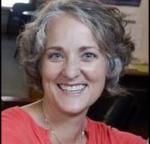
Barb Gay is a highly experienced program leader and technical assistance provider who specializes in behavioral health and crisis care administration, suicide prevention system building, substance misuse prevention, social services, strategic planning, financial management, and staff development.
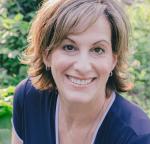
Dr. Julie Goldstein Grumet, Director of Zero Suicide at EDC, provides strategic direction to healthcare systems to improve the identification and treatment of people at risk for suicide.
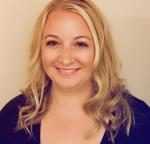
Shelby Kuhn delivers training and consultation to improve care and outcomes for individuals at risk for suicide using a continuous quality improvement framework.
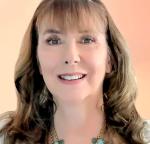
Jan Ulrich delivers training and consultation to improve care and outcomes for individuals at risk for suicide using a continuous quality improvement framework.
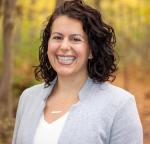
Laurin Jozlin, senior project associate, is a licensed clinical social worker with 15 years of experience in suicide prevention, suicide intervention, community mental health, and child and adolescent mental health.

Sommer Albert, MSW, is a senior prevention specialist and trauma-informed facilitator with expertise in technical assistance, community building, youth education, and suicide prevention across clinical, K–12, and higher education settings.