
Join Zero Suicide Institute's Amy Molloy at the NACCHO360 2026 conference on July 15th virtually and in-person for a session on how using Zero Suicide implementation to local public health initiatives.
Stop by the presentation or contact Amy Molloy at amolloy@edc.org to connect while you are in Louisville!
About the Conference
At NACCHO360 2026, themed “Racing Forward, Swinging Big: United for Public Health’s Future,” public health leaders come together in-person and online to explore innovative, resilient, and community-driven approaches to advancing health. EDC's session on the Zero Suicide initiative contributes to this conversation by highlighting practical strategies, lessons learned, and opportunities to strengthen public health systems that are responsive, accessible, and prepared for the future.
Our Session
Suicide Prevention in Local Public Health: Implementing Zero Suicide Does More Than “Check the Box” | July 15, 2026 at 5:00—6:00pm ET
Over 48,000 suicide deaths were recorded in 2024. Local public health departments are poised to lead suicide prevention efforts in collaboration with community partners.
This presentation will explore how Zero Suicide helped transform a local health department into a learning health system, one capable of continuously assessing data, adjusting protocols, and bolstering community capacity for safer suicide care. Lessons learned will offer a roadmap for local public health departments interested in improving safer suicide care for their clinic patients and seeking to build sustainable, adaptive, and data-driven suicide prevention systems.
This session will be recorded and made available to attendees.
Resources
Zero Suicide Toolkit: The Zero Suicide framework operationalizes the core components necessary for health care systems to transform suicide care into seven elements. The Toolkit uses research, tools, and videos to walk implementers through putting the Zero Suicide model into practice.
Videos: Aspire to Zero, Voices of Zero Suicide
Zero Suicide Organizational Self-Study
Counseling on Access to Lethal Means (CALM) training
Zero Suicide in Local Public Health
Services
Zero Suicide
EDC offers training and consultation support for systems implementing Zero Suicide. Applications are open for opportunities to join our signature National Zero Suicide Academy training online.
Assessing & Managing Suicide Risk
Registration is open for training in AMSR for Outpatient settings:
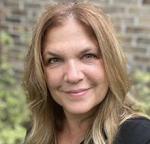
Amy Molloy, senior project associate, is a behavioral health expert with 14 years of leadership experience in suicide prevention, mental health promotion, veterans’ services, and education.
Learn more
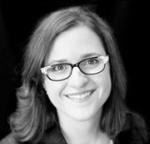
Sarah Landry is a Licensed Master Social Worker with over 20 years of experience in public health and community-based research. She leads suicide prevention efforts at Lawrence-Douglas County Public Health, coordinating the implementation of the Zero Suicide framework. A former crisis counselor and experienced program evaluator, Sarah is passionate about advancing mental health, health equity, and systems-level change. Her work centers on building collaborative, trauma-informed approaches that strengthen community capacity to prevent suicide and promote well-being.